

Benefits of Manual Lymphatic Drainage After Knee Replacement Surgery
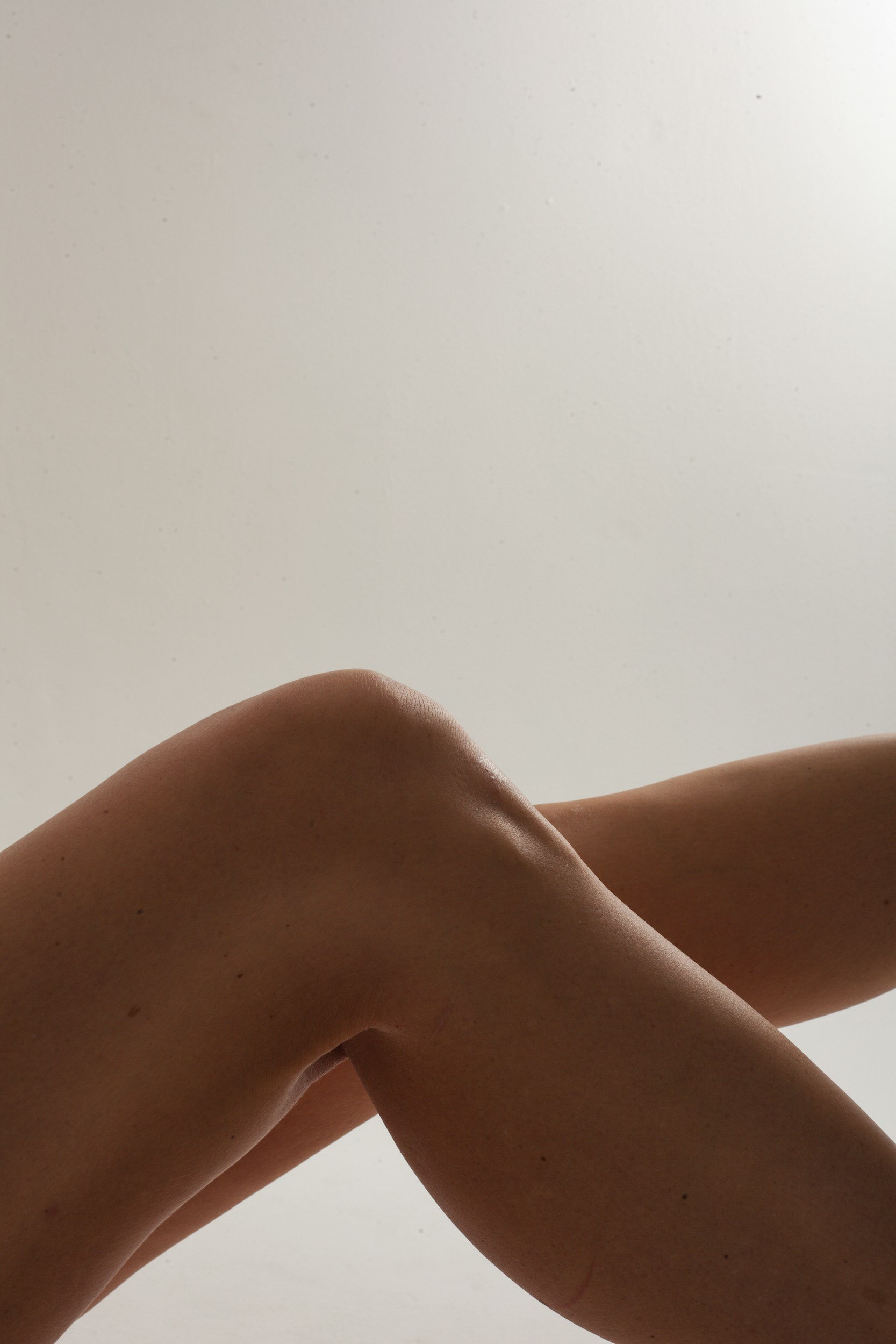
A knee replacement is a major orthopedic surgery. From the body’s perspective, it isn’t just a joint being replaced—it’s a large-scale disruption to tissue, fluid pathways, and the nervous system. Swelling, stiffness, and a heavy or tight feeling around the knee and lower leg are not side effects; they are expected parts of healing.
Manual Lymphatic Drainage (MLD) can be a supportive tool during post–knee replacement recovery, helping the body manage inflammation and fluid so healing can proceed with less resistance.
Why swelling after knee replacement can be intense
Knee replacement surgery involves:
• Significant tissue trauma
• Bone work and implant placement
• Disruption of lymphatic vessels around the knee and thigh
The lymphatic system is responsible for clearing excess fluid and inflammatory byproducts. After surgery, this system is suddenly overwhelmed, which is why swelling can extend far beyond the knee—into the thigh, calf, ankle, and even the foot.
MLD helps redirect lymph fluid toward healthy lymph nodes, reducing congestion and supporting the body’s natural drainage pathways.
Reducing swelling to support mobility and rehab
Post-surgical swelling can directly limit:
• Range of motion
• Comfort during physical therapy
• Confidence with weight-bearing and walking
By gently reducing fluid buildup, MLD can:
• Decrease the “tight band” sensation around the knee
• Improve ease of bending and straightening
• Make physical therapy feel more accessible rather than overwhelming
While MLD doesn’t replace rehab, it often makes rehab more tolerable.
Supporting pain management without force
Pain after knee replacement isn’t only about the joint itself. Swelling increases pressure on surrounding tissues and nerves, contributing to:
• Throbbing
• Achiness
• A constant sense of fullness or heaviness
MLD works superficially and gently, helping to lower pressure without stressing healing tissue. Many clients report reduced discomfort and a calmer feeling in the leg following sessions.
Addressing whole-leg swelling (not just the knee)
One of the most frustrating aspects of knee replacement recovery is that swelling often travels. The ankle and foot may swell even though they weren’t operated on.
This happens because lymph fluid moves downward with gravity and struggles to return upward when pathways are congested.
MLD addresses:
• The entire lymphatic route—from the foot to the groin
• Proximal (upstream) drainage first, so fluid has somewhere to go
• Balanced movement through the leg, not isolated spot treatment
This whole-system approach is key for lasting relief.
Supporting scar healing and tissue quality
As the incision heals, surrounding tissue can become:
• Dense
• Restricted
• Sensitive or numb
MLD may help:
• Improve fluid exchange around the incision (once medically cleared)
• Support healthier tissue mobility
• Reduce prolonged inflammation that can contribute to stiffness
All work is adapted to surgical timelines and tissue readiness.
Nervous system regulation during recovery
After major surgery, the body often remains in a heightened protective state. This can show up as:
• Guarding
• Difficulty relaxing the leg
• Increased sensitivity to touch or movement
The slow, rhythmic nature of MLD supports parasympathetic (“rest and repair”) activation. This helps the body shift out of constant alert mode and into a more receptive healing state.
What MLD feels like after knee replacement
Post-surgical MLD is:
• Extremely gentle
• Slow and predictable
• Focused on skin stretching, not muscle pressure
• Adapted session-by-session based on healing progress
There is no deep work, no forcing movement, and no pain-inducing techniques.
Communication is ongoing, consent is central, and you remain in control at all times.
When MLD is commonly used after knee replacement
MLD may be appropriate:
• Early in recovery (with surgeon approval)
• During periods of persistent swelling
• When swelling is limiting rehab progress
• As part of longer-term recovery and maintenance
Timing varies depending on the individual, the surgery, and medical guidance.
Important considerations
MLD is not appropriate in cases of:
• Active infection
• Suspected blood clots
• Uncontrolled heart failure
• Certain kidney conditions
All sessions should align with your surgical team’s recommendations.
The takeaway
Swelling is a normal part of knee replacement recovery—but it doesn’t have to be unmanaged. Manual Lymphatic Drainage offers a gentle, evidence-informed way to support the lymphatic system, reduce fluid congestion, and make recovery feel more workable.
If you’re preparing for knee replacement or currently navigating post-surgical swelling, I’m happy to talk through whether MLD could be a supportive part of your recovery plan.
