

Benefits of Manual Lymphatic Drainage for Sports Injuries
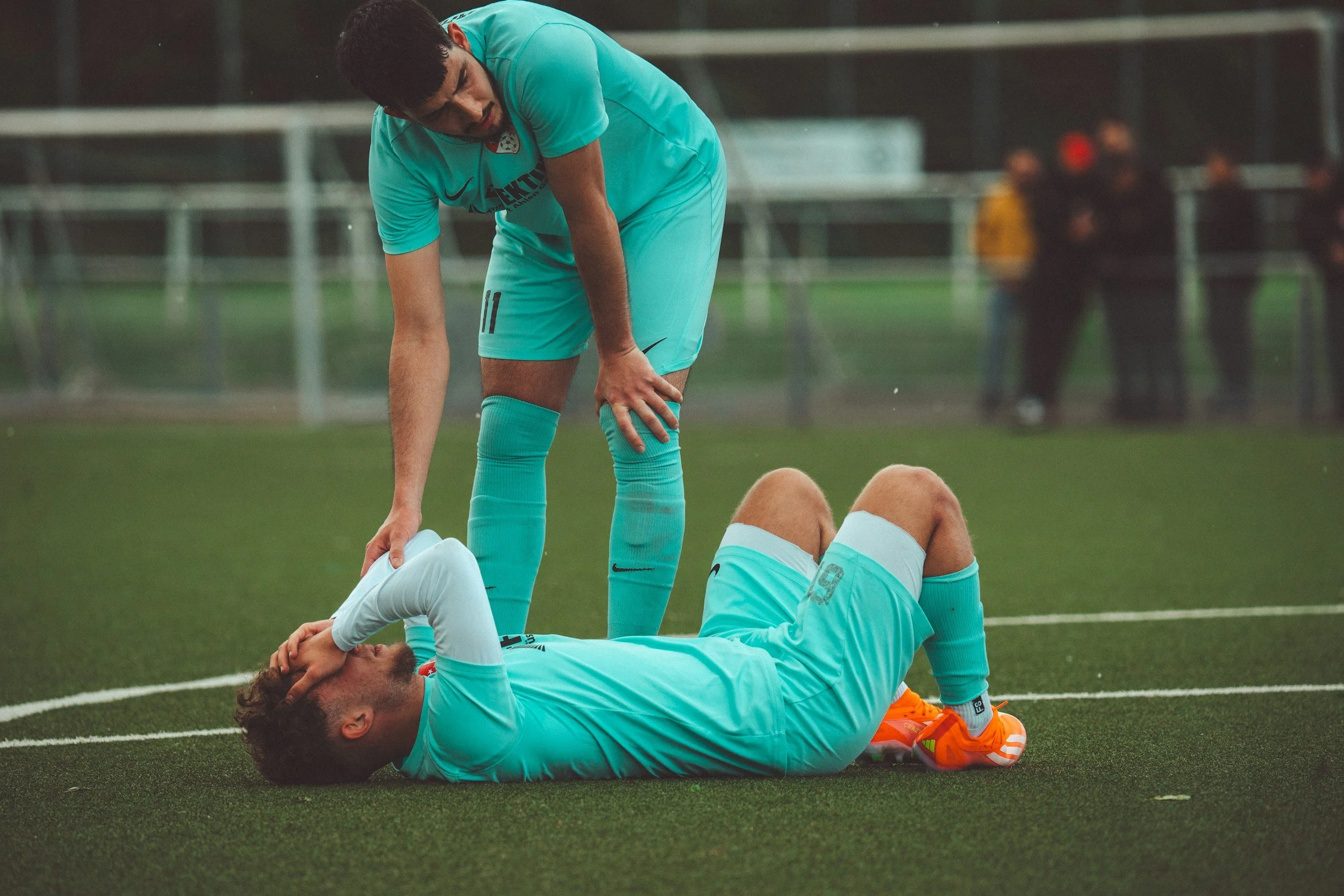
Sports injuries don’t just affect muscles or joints—they disrupt the body’s fluid systems, nervous system, and sense of safety. Whether the injury comes from a single traumatic moment or repeated overuse, inflammation and swelling are part of the body’s immediate response. While that response is protective, it can become a barrier to healing when it lingers.
Manual Lymphatic Drainage (MLD) can play a supportive role in recovery from sports injuries by helping the body manage inflammation, clear excess fluid, and return to movement with less resistance.
Understanding swelling after a sports injury
When an injury occurs—ankle sprain, muscle strain, ligament tear, or impact injury—the body sends fluid, immune cells, and proteins to the area. This is essential early on. The problem arises when that fluid doesn’t clear efficiently.
Persistent swelling can lead to:
• Stiffness and reduced range of motion
• Increased pressure on nerves
• Delayed tissue repair
• A feeling of heaviness or instability
MLD supports the lymphatic system in moving that excess fluid away from the injured area and toward lymph nodes where it can be processed.
Supporting recovery without stressing injured tissue
One of the challenges with sports injuries is timing. Deep work or aggressive techniques can be inappropriate in early or mid-stage healing.
MLD is:
• Gentle and non-invasive
• Performed at the level of the skin, not the muscle
• Adaptable to acute, subacute, and chronic phases of injury
This makes it especially useful when traditional massage is too intense or contraindicated.
Reducing pain by reducing pressure
Swelling increases pressure within tissues, which can irritate surrounding nerves and heighten pain signals. MLD doesn’t “fix” the injury itself, but by reducing fluid congestion it often decreases:
• Throbbing
• Achiness
• That tight, overfilled sensation
Less pressure can mean less pain and greater tolerance for movement and rehabilitation.
Improving range of motion and movement confidence
Excess fluid limits how freely tissues can glide. Athletes often describe this as feeling “stuck” or “restricted,” even when strength is returning.
By improving fluid dynamics, MLD may help:
• Increase comfort during movement
• Support joint mobility
• Make stretching and rehab exercises feel more accessible
This can be particularly helpful when swelling, not structural damage, is the primary limiting factor.
Supporting the nervous system after injury
Injury often puts the body into a protective, high-alert state. This sympathetic (“fight or flight”) activation can persist long after the initial injury, contributing to muscle guarding and delayed recovery.
The slow, rhythmic nature of MLD supports parasympathetic (“rest and repair”) activation, helping the nervous system downshift so healing processes can proceed more efficiently.
Addressing secondary and compensatory swelling
Sports injuries rarely affect just one spot. An ankle injury can lead to calf, knee, or foot swelling. A shoulder injury may cause fluid buildup in the chest wall or upper arm.
MLD works with the entire lymphatic pathway, not just the injured site. This whole-system approach helps prevent fluid from becoming “stuck” in surrounding areas.
Chronic and overuse injuries
For chronic injuries—tendon irritation, repetitive strain, long-standing joint issues—low-grade inflammation often becomes the norm.
MLD may help by:
• Supporting ongoing fluid clearance
• Reducing baseline tissue congestion
• Providing a non-irritating way to support recovery alongside training or rehab
What MLD feels like for sports injuries
MLD is not deep tissue work. It is:
• Light, rhythmic, and intentional
• Focused on skin stretching rather than muscle pressure
• Adjusted based on pain levels, injury stage, and tolerance
Many athletes are surprised by how effective such gentle work can feel when the goal is recovery, not force.
Important considerations
MLD is not appropriate if there is:
• An active infection
• Suspected fracture
• Blood clot or vascular compromise
• Certain cardiac or kidney conditions
Clear communication with your healthcare team is always encouraged.
The takeaway
Healing from a sports injury isn’t just about strength and mobility—it’s about creating the right internal environment for recovery. Manual Lymphatic Drainage supports that environment by reducing swelling, easing pressure, and helping the body move out of constant protection mode.
Whether you’re dealing with a recent injury or lingering inflammation, MLD can be a valuable, gentle addition to a comprehensive recovery plan.
