
Benefits of Postpartum Manual Lymphatic Drainage
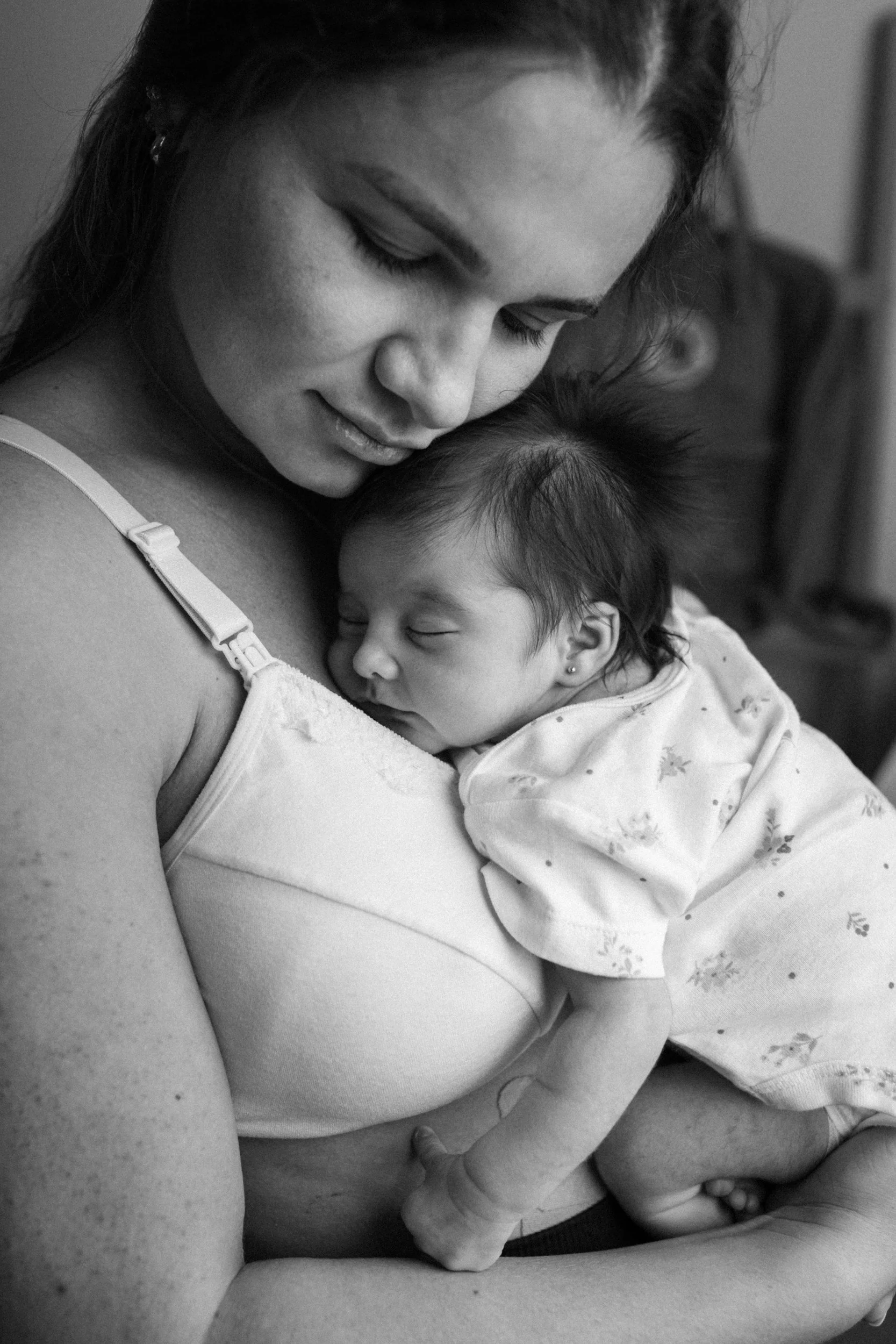
The postpartum period is often talked about in terms of joy, bonding, and adjustment. Less often discussed—at least honestly—are the physical realities of recovery.
Pregnancy and birth place enormous demands on the body. Even when everything goes “well,” tissues have been stretched, fluid has shifted, hormones are recalibrating, and the nervous system is learning a new baseline. Recovery is not instant, and it is not linear.
This is where Manual Lymphatic Drainage (MLD) can be supportive.
Not as a luxury.
Not as a cosmetic fix.
But as gentle, system-level support during a time of profound change.
Fluid shifts don’t end at delivery
During pregnancy, blood and fluid volume increase significantly. After birth, the body has to redistribute and eliminate that extra fluid—often quickly.
This can show up as:
• Swelling in the legs, feet, hands, or face
• A heavy or puffy feeling that lingers for weeks
• Discomfort that doesn’t quite feel muscular
The lymphatic system is responsible for reabsorbing and moving this excess fluid. MLD supports that process, helping swelling resolve more efficiently without stressing already sensitive tissues.
Support for tissue recovery
Birth—vaginal or surgical—is a physical event.
Inflammation is a normal and necessary part of healing, but when swelling persists, it can contribute to:
• Increased pressure
• Delayed tissue recovery
• Discomfort around surgical sites or perineal tissue
MLD can support reabsorption of excess fluid and help reduce pressure in surrounding tissues. Less pressure often means:
• Less pain
• Easier movement
• A greater sense of comfort in the body
All work is adapted to healing timelines and medical guidance.
Nervous system regulation in a high-demand season
The postpartum nervous system is under constant input: feeding schedules, sleep disruption, hormonal shifts, vigilance, and often a lack of physical autonomy.
MLD’s slow, rhythmic, predictable touch can support parasympathetic activation—the “rest and digest” state that allows for recovery and repair. For many postpartum clients, this shows up as:
• Deeper rest, even if sleep is fragmented
• A sense of settling or grounding
• Temporary relief from constant alertness
This is not about forcing relaxation. It’s about offering the body conditions where rest is possible.
Gentle care that respects sensitivity
Postpartum bodies are often more sensitive to pressure and stimulation. Traditional massage can feel like too much, too soon.
MLD uses light pressure and works primarily at the level of the skin. There is no deep tissue work and no expectation that the body should tolerate intensity in order to heal.
Sessions are shaped around:
• Energy levels
• Comfort
• Feeding and pumping schedules
• Ongoing consent and communication
When postpartum MLD may be especially helpful
Postpartum MLD is commonly sought for:
• Persistent swelling
• Cesarean recovery (when medically appropriate)
• A sense of heaviness or stagnation
• Support during hormonal transitions
It can be integrated alongside pelvic floor therapy, medical care, and other postpartum supports.
Important considerations
MLD is not appropriate in the presence of:
• Active infection
• Certain cardiovascular or kidney conditions
• Unresolved medical complications
Each postpartum body is assessed individually, and collaboration with medical providers is encouraged when needed.
The takeaway
Postpartum recovery is not just about bouncing back—it’s about being supported forward.
Manual Lymphatic Drainage offers gentle, respectful care that works with the body’s natural healing processes during a time when the body is doing a tremendous amount of unseen work.
If you’re postpartum and curious whether MLD could be supportive for you, I’m happy to talk through timing, expectations, and what care might look like for your specific situation.
