
Post-Plastic Surgery Manual Lymphatic Drainage in Northwest Arkansas for Tummy Tuck
Benefits of Manual Lymphatic Drainage After a Tummy Tuck
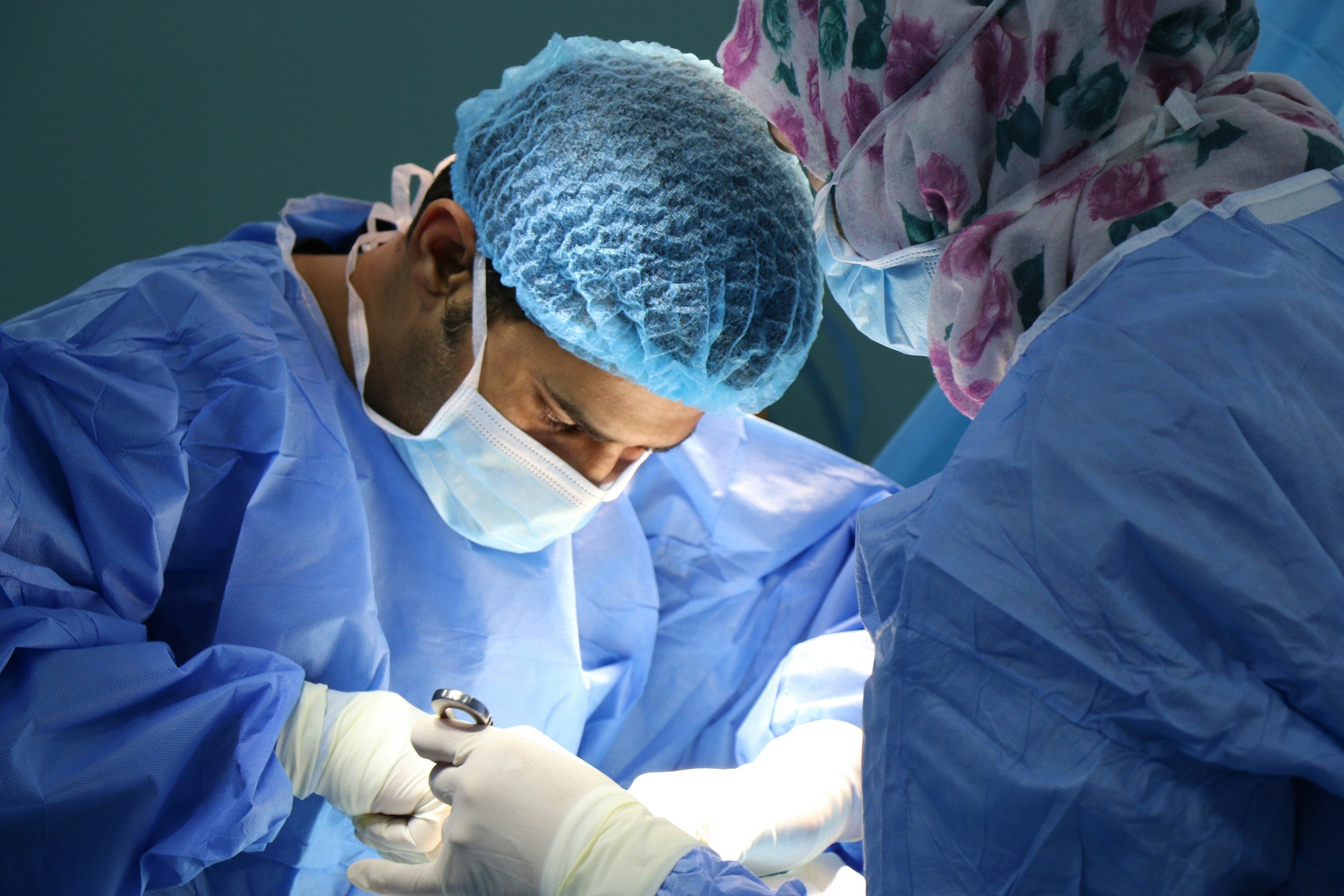
(Abdominoplasty and post–plastic surgery recovery support)
A tummy tuck is one of the most physically impactful plastic surgeries the body can experience. It involves significant tissue manipulation, incision, and restructuring of the abdominal wall. While the aesthetic outcome gets most of the attention, the recovery phase is where the body does the real work.
Manual Lymphatic Drainage (MLD) can play an important supportive role during this time—not by speeding healing, but by helping the body manage swelling, pressure, and inflammation more efficiently.
Why does swelling after a tummy tuck feels so intense?
After abdominoplasty, fluid accumulation in the abdomen, hips, and lower back is expected. The lymphatic system is temporarily overwhelmed and, in some cases, partially disrupted by surgery.
This can result in:
• Persistent abdominal swelling
• A feeling of tightness or “internal pressure”
• Puffiness extending into the flanks, hips, or pubic area
• Discomfort that isn’t well explained by muscle soreness alone
MLD encourages lymphangiomotoricity—the rhythmic movement of lymph—helping excess fluid move away from the surgical site and toward functioning lymph nodes for reabsorption.
Reduced pressure = increased comfort
Excess fluid increases pressure within tissues. That pressure can contribute to:
• Pain and tenderness
• Nerve irritation or sensitivity
• A constant feeling of heaviness or pulling
By supporting fluid reabsorption and drainage, MLD often leads to:
• Less pressure in the abdominal tissues
• Improved comfort while standing or walking
• A sense of lightness or ease in the torso
This can make day-to-day recovery activities feel more manageable.
Supporting scar healing and reducing fibrosis
Inflammation is necessary for healing—but when it lingers, it can increase the likelihood of fibrosis: firm, dense tissue that feels restricted or uncomfortable.
MLD supports:
• Reduced inflammatory congestion
• Healthier conditions for scar maturation
• Improved tissue glide and mobility over time
This is especially important after tummy tuck surgery, where large surface areas are involved and tension across the incision is high.
Addressing the “binder break” window safely
For post-surgical clients wearing compression garments or binders, MLD sessions are often one of the few medically accepted times when the garment is temporarily removed during healing.
During this window, MLD:
• Supports drainage while the garment is off
• Helps prevent fluid stagnation
• Makes returning to compression more comfortable
Sessions are structured to respect surgical guidelines, drains (if present), and individual healing timelines.
Nervous system regulation after abdominal surgery
Abdominal surgery can significantly affect the nervous system. Many clients experience:
• Guarding through the core
• Shallow breathing
• A persistent sense of tension or vigilance
MLD’s slow, rhythmic, and predictable touch helps activate the parasympathetic nervous system, signaling safety and allowing the body to shift from protection into repair.
This nervous system support can be just as valuable as the physical drainage itself.
What a post–tummy tuck MLD session looks like
Postoperative MLD is:
• Extremely gentle
• Methodical and intentional
• Focused first on clearing pathways away from the incision
• Adapted to swelling patterns unique to abdominoplasty
There is no deep pressure, no aggressive manipulation, and no forcing of tissue.
Consent is ongoing, communication is clear, and you remain in control at all times.
When MLD is commonly recommended after tummy tuck
MLD is often used:
• In the early postoperative phase (with medical clearance)
• To manage swelling and discomfort
• To reduce the risk of fluid-related complications
• As part of a long-term recovery and tissue health plan
Many surgeons now recommend lymphatic work as a standard component of post–abdominoplasty care.
Important medical considerations
MLD is not appropriate if there is:
• Active infection
• Unresolved surgical complications
• Certain cardiovascular or kidney conditions
Treatment is always individualized and coordinated with your medical care.
The bottom line
A tummy tuck places high demands on the lymphatic and nervous systems. Manual Lymphatic Drainage offers a gentle, clinically grounded way to support those systems during recovery—helping reduce swelling, ease discomfort, and create better conditions for long-term tissue health.
If you’re preparing for a tummy tuck or currently in recovery and want to know if MLD is right for you, I’m happy to answer questions and help you plan supportive care that aligns with your surgeon’s recommendations.
