

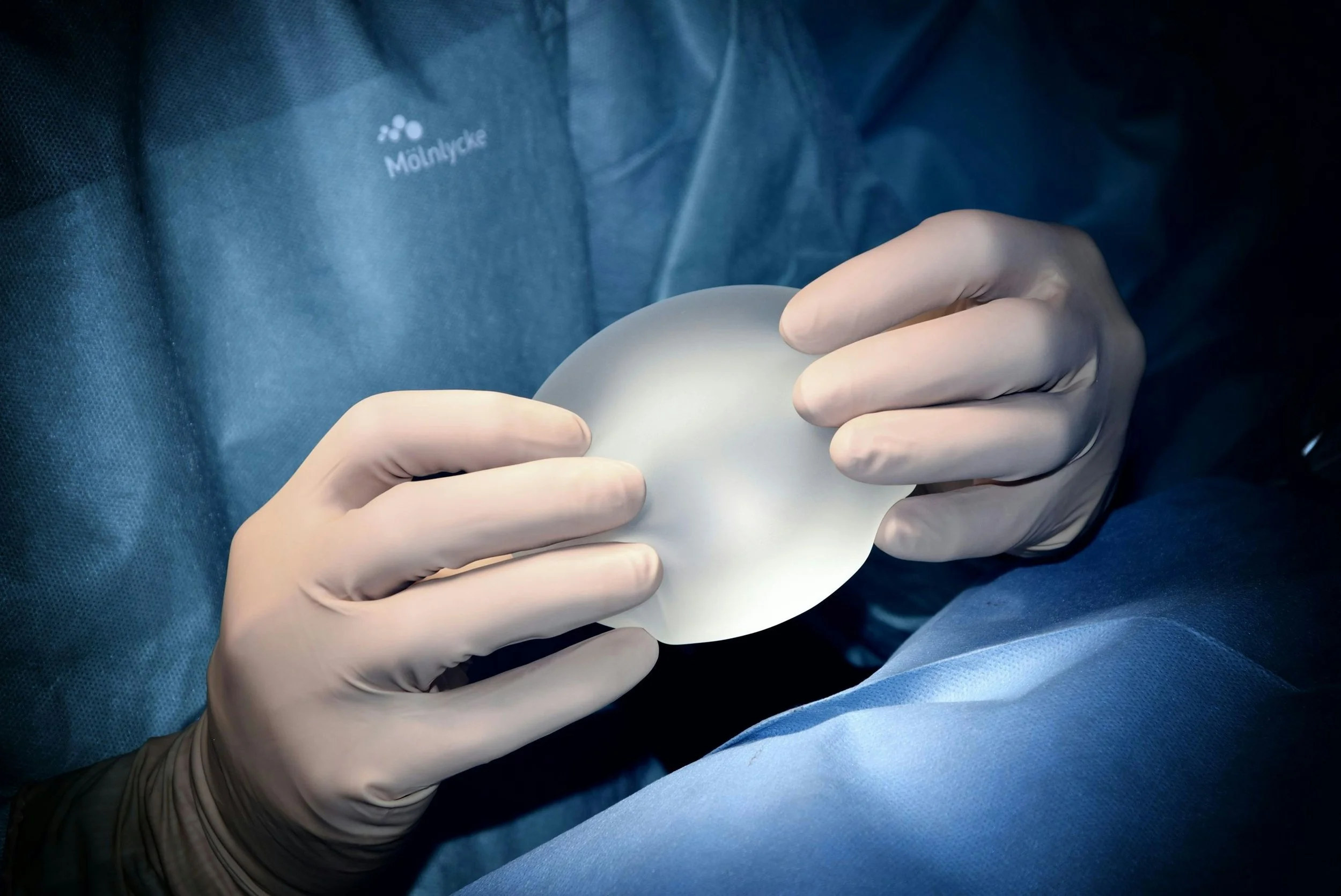
Photo by philippe spitalier on Unsplash
Benefits of Manual Lymphatic Drainage After Breast Augmentation
(and other breast-related plastic surgery)
Breast augmentation and other breast surgeries are often discussed in terms of aesthetics and outcomes. What’s talked about less—yet experienced very clearly by the body—is the recovery process itself.
Surgery is controlled trauma.
Swelling, inflammation, pressure, and temporary changes in sensation are not complications;
they’re expected parts of healing.
Manual Lymphatic Drainage (MLD) can be a valuable support during this phase—not to rush healing, but to help the body move through it more efficiently and with less strain.
Swelling is normal. Lingering swelling doesn’t have to be.
After breast augmentation or reconstruction, fluid naturally accumulates around surgical sites. This fluid contains proteins, immune cells, and inflammatory byproducts meant to support healing.
Once that job is done, the body needs a way to reabsorb and move that fluid.
That’s the lymphatic system’s role.
MLD supports:
• Reabsorption of post-surgical fluid
• Reduced pressure in surrounding tissues
• Improved comfort during the healing phase
When swelling decreases, many people notice less tightness, less heaviness, and a greater sense of ease in their chest and upper body.
Pressure, tightness, and that “armor” feeling
Many post–breast augmentation clients describe a sensation of:
• Tightness across the chest
• Heaviness or fullness
• A feeling that the tissue is stiff or restricted
This isn’t just about muscles—it’s often about fluid pressure and protective guarding.
By reducing excess fluid and supporting nervous system regulation, MLD can help soften that “armored” feeling without aggressive manipulation of healing tissue.
Supporting scar quality and tissue health
While scarring is influenced by many factors, prolonged swelling and inflammation can contribute to fibrosis—tissue that feels thick, firm, or less mobile over time.
MLD supports:
• Reduced inflammatory load
• Improved tissue mobility
• Healthier conditions for scar maturation
This work is always timed appropriately and adapted to surgical protocols and healing stages.
Nervous system support after surgery
Surgery doesn’t just affect tissue—it affects perception, safety, and body awareness.
Postoperative clients are often:
• Hyper-aware of their chest
• Guarding movement subconsciously
• Stuck in a heightened nervous system state
MLD’s slow, rhythmic, predictable touch can help signal safety to the nervous system, allowing muscles to release unnecessary tension and supporting a shift toward recovery rather than protection.
What post–breast surgery MLD looks like
Sessions are gentle and intentional. They often include:
• Opening lymphatic pathways away from the surgical site first
• Light, specific work around the chest, underarms, and neck
• Respect for surgical timelines, drains, and garments
• Ongoing consent and clear communication
This is not deep tissue massage. There is no pressure on implants or healing structures.
When MLD is commonly recommended
Post–plastic surgery MLD is often used:
• In the early postoperative phase (with medical clearance)
• To manage swelling and discomfort
• To support long-term tissue quality
• As part of a comprehensive recovery plan
Many surgeons now recommend lymphatic work as a standard part of postoperative care for these reasons.
Important boundaries
MLD is not performed if there is:
• An active infection
• Unresolved surgical complications
• Medical contraindications such as certain heart or kidney conditions
Care is always individualized and collaborative.
The takeaway
Breast augmentation recovery is not just about healing incisions—it’s about supporting the systems responsible for fluid balance, inflammation resolution, and nervous system regulation.
Manual Lymphatic Drainage offers a gentle, clinically informed way to support that process—helping recovery feel less heavy, less tight, and more manageable.
If you’re preparing for or recovering from breast surgery and want to know whether MLD is appropriate for you, I’m happy to talk through timing, expectations, and how this work fits into your surgical plan.
