

Conditions That Can Benefit from Manual Lymphatic Drainage: Part 04- Post-Accident Recovery
How MLD can help address car accidents, sports injuries, stumbles, and falls.
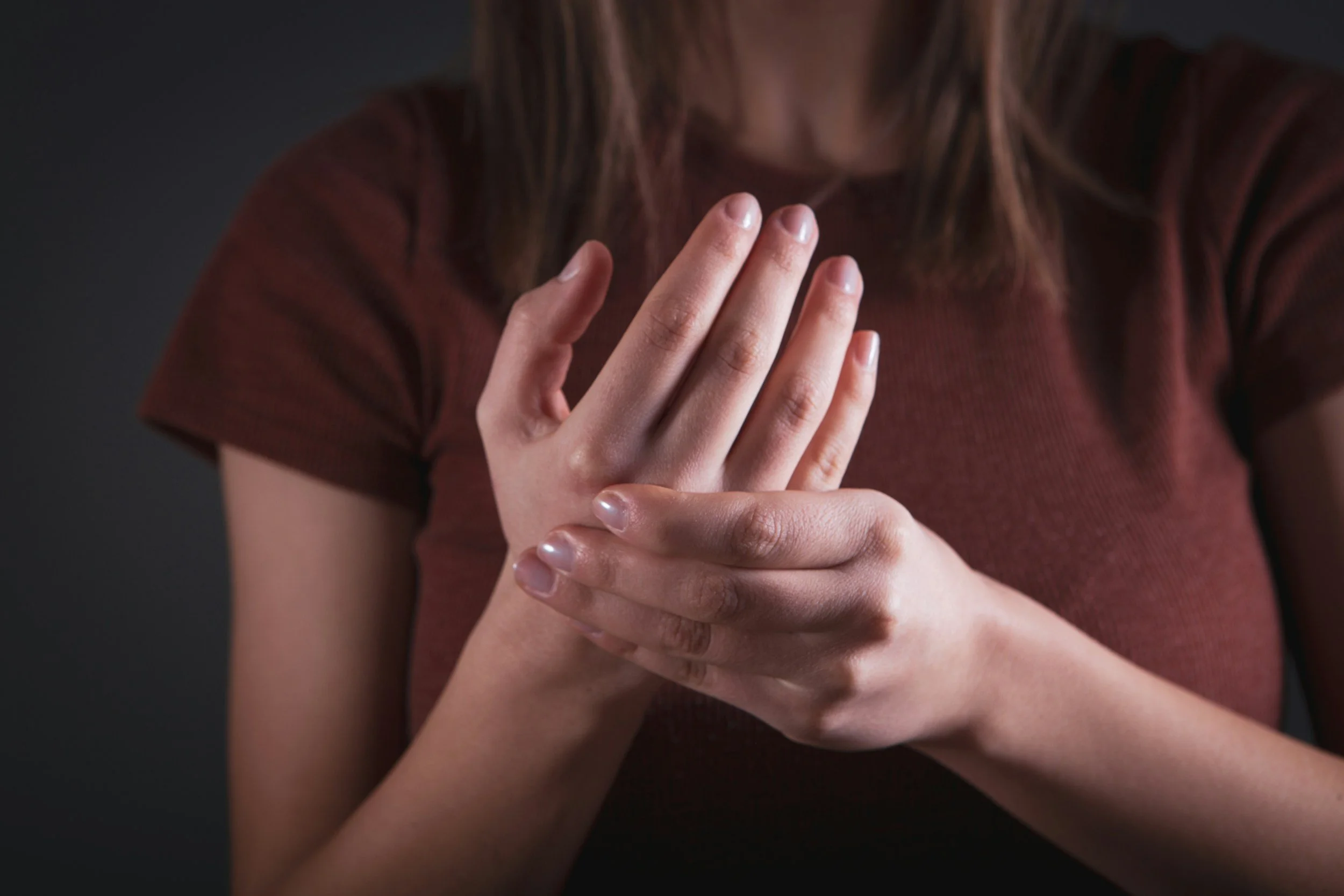
Accidents are disruptive in ways that go far beyond the initial injury.
Even when imaging looks “fine” and nothing is technically broken, many people are left dealing with swelling, stiffness, pain, and a nervous system that no longer feels settled in the body it’s living in.
Recovery isn’t always linear. And it isn’t only about muscles.
So where does Manual Lymphatic Drainage (MLD) fit after an accident?
Not as a replacement for medical care.
Not as a way to push healing faster than the body is ready for.
But as a supportive modality that addresses swelling, inflammation, and the aftermath of physical shock.
What happens in the body after an accident
Whether it’s a car collision, a sports injury, or a fall, trauma sets off a cascade of responses:
• Localized inflammation
• Fluid accumulation around injured tissue
• Protective muscle guarding
• Heightened nervous system alertness
All of this is appropriate in the short term. The problem arises when swelling lingers and the system stays “on” longer than it needs to.
That’s often when people notice:
• Persistent puffiness or heaviness
• Reduced range of motion
• Pain that doesn’t quite match what imaging shows
• A sense that the body hasn’t fully settled back in
The lymphatic system’s role in injury recovery
Inflammation brings fluid, proteins, and immune cells to injured areas. Once that job is done, those materials need a way out.
That’s where the lymphatic system comes in.
MLD supports:
• Reabsorption of excess fluid
• Movement of cellular debris and inflammatory byproducts
• Reduced pressure on surrounding tissues and nerves
Importantly, this happens without deep pressure or force—something that can be counterproductive in freshly injured or sensitized areas.
When timing matters
MLD is often appropriate surprisingly early after an accident—sometimes within days—as long as:
• There is no suspected or untreated fracture
• There is no active infection
• Medical evaluation has ruled out conditions that would make treatment unsafe
Early, gentle lymphatic work can help prevent swelling from becoming a long-term pattern rather than something the body resolves efficiently.
The nervous system piece
Accidents don’t just affect tissues—they affect perception and safety.
Even minor accidents can leave the nervous system on high alert, which contributes to:
• Muscle guarding
• Heightened pain sensitivity
• Difficulty relaxing or sleeping
MLD’s slow, rhythmic touch can help signal safety and support parasympathetic activation. This doesn’t erase trauma, but it can help the body move out of constant protection mode and into recovery.
What a post-accident MLD session looks like
Sessions are guided by what your body is ready for, not by a protocol checklist.
They often include:
• Work away from the injury first, to open drainage pathways
• Very gentle touch around affected areas
• Clear communication and pacing
• Adjustments based on pain levels and fatigue
This is not “working through it.” If something doesn’t feel right, it stops.
What MLD is (and isn’t) after an accident
MLD can support:
• Swelling reduction
• Tissue recovery
• Nervous system regulation
It is not:
• A substitute for orthopedic care or physical therapy
• A way to ignore red flags
• An aggressive treatment meant to break things up
It works best as part of a broader recovery plan.
The takeaway
Accidents interrupt the body’s sense of normal.
Manual Lymphatic Drainage offers a way to support recovery that respects injury, sensitivity, and timing—helping swelling resolve and giving the nervous system a chance to stand down.
If you’re recovering from an accident and wondering whether MLD could be helpful for you, I’m happy to talk it through and help you decide what makes sense next.
⸻
Conditions That Can Benefit from MLD continues.
